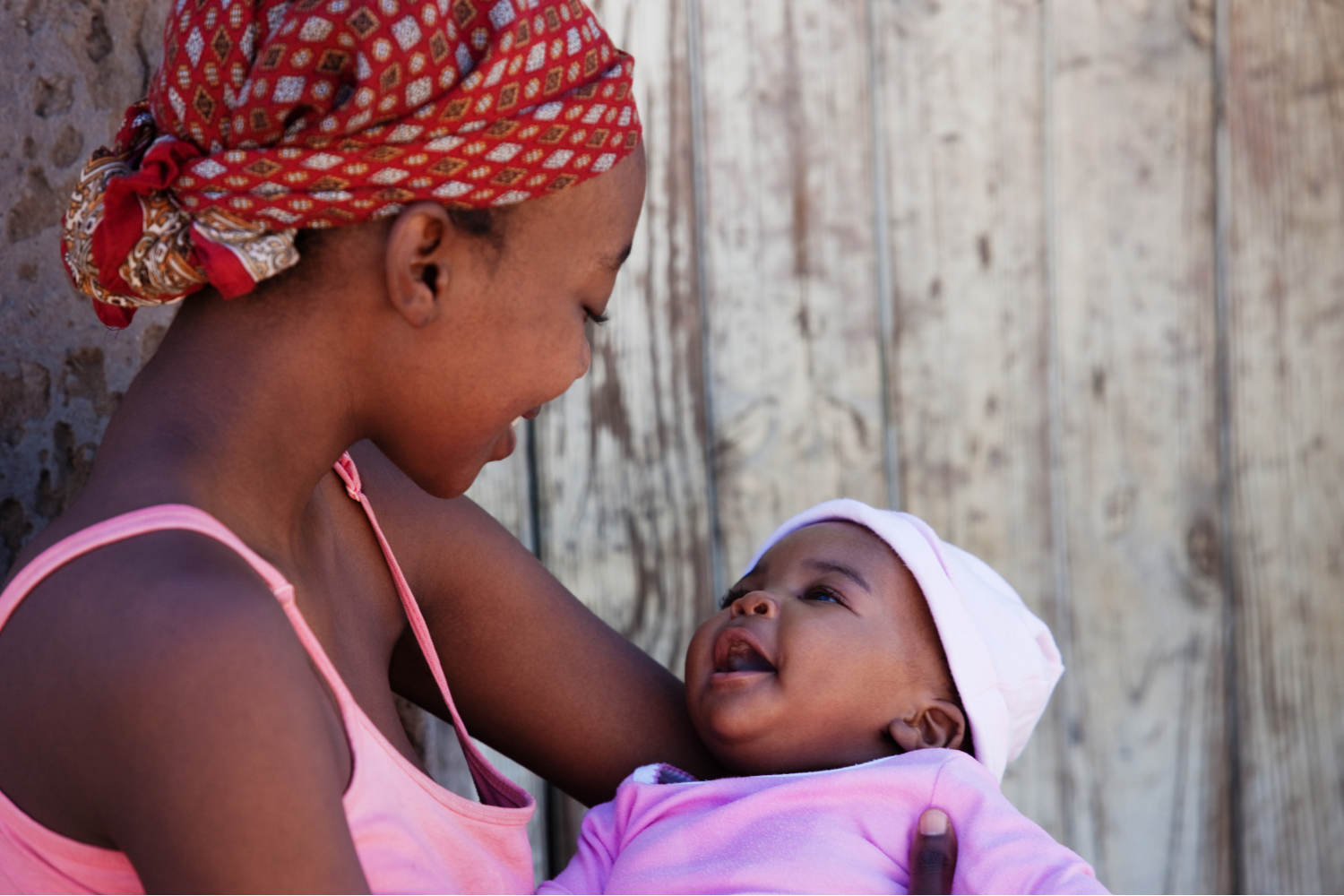

Our donors, and the beneficiaries of their generosity, have stories to share.
Read their inspiring stories below:
Our donors, and the beneficiaries of their generosity, have stories to share.
Read their inspiring stories below:
Women who have reproductive autonomy generally choose to have smaller families. This slows population growth and creates opportunities for social, economic, and environmental improvements. Slower population growth reduces pressures on natural resources, habitats, and food systems. Within the context of climate change, slowing population growth is key to achieving greenhouse gas emissions targets, and the health, education, and economic benefits afforded through family planning help reduce climate vulnerability and increase resilience for communities around the world.
When women and couples have access to the resources necessary to freely and intentionally choose the number, timing, and spacing of their births, a wide variety of health benefits ensue also, including reductions in maternal mortality and morbidity, infant and child mortality, and unintended pregnancies and unsafe abortions.

Read more about how empowering women and girls to take charge of their bodies and lives is key to achieving the Sustainable Development Goals in this blog post.
This one action could save the world—so why does no one talk about it?