Compare Gifts

Confused by all the different gift types? Don't be.

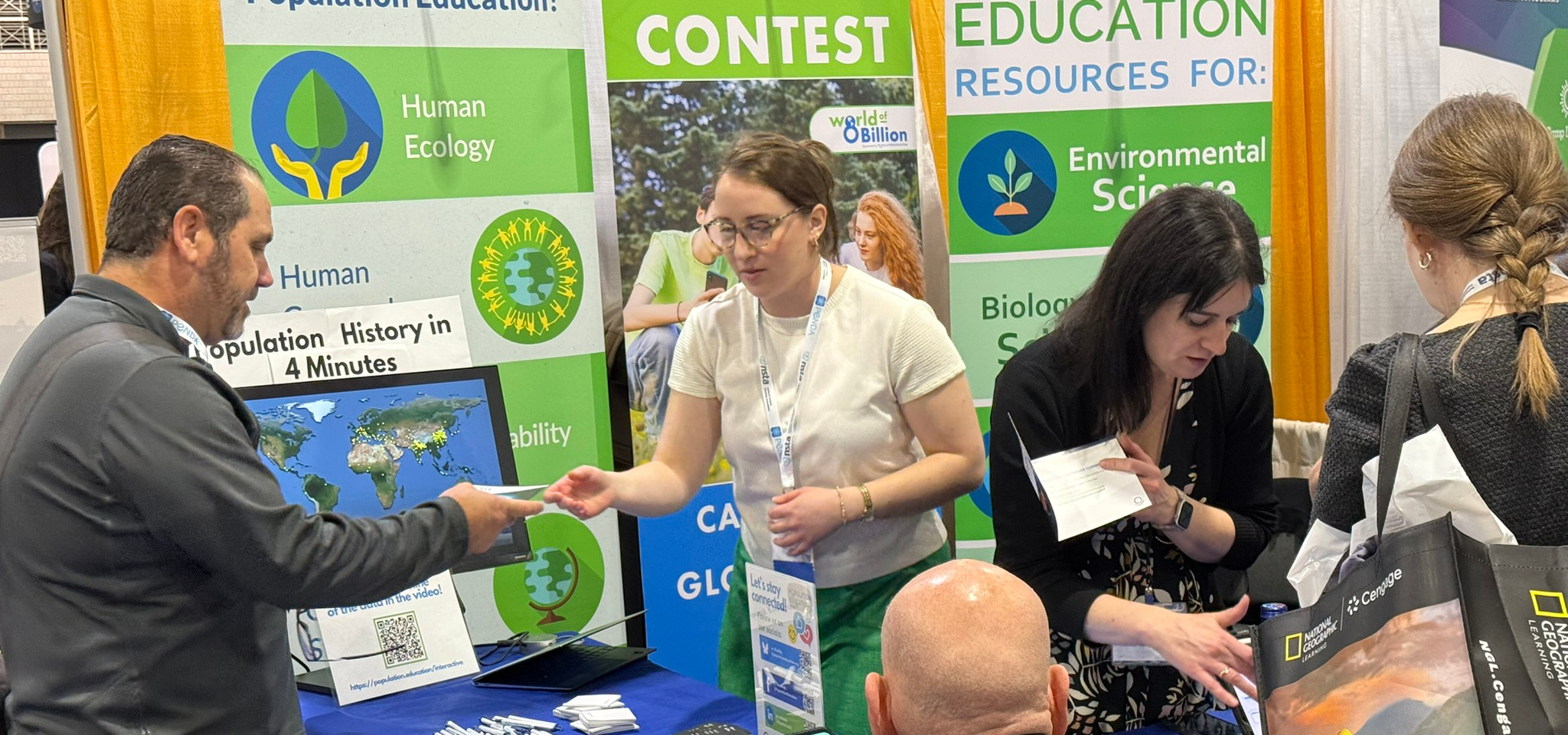
Giving to Population Connection is easy when you know what's available. To help you understand all the differences involved, we've made a simple interactive chart to help you compare, contrast, and understand all the gift types and asset classes available.

 

Environmental and socioeconomic benefits

Women who have reproductive autonomy generally choose to have smaller families. This slows population growth and creates opportunities for social, economic, and environmental improvements. Slower population growth reduces pressures on natural resources, habitats, and food systems. Within the context of climate change, slowing population growth is key to achieving greenhouse gas emissions targets, and the health, education, and economic benefits afforded through family planning help reduce climate vulnerability and increase resilience for communities around the world.

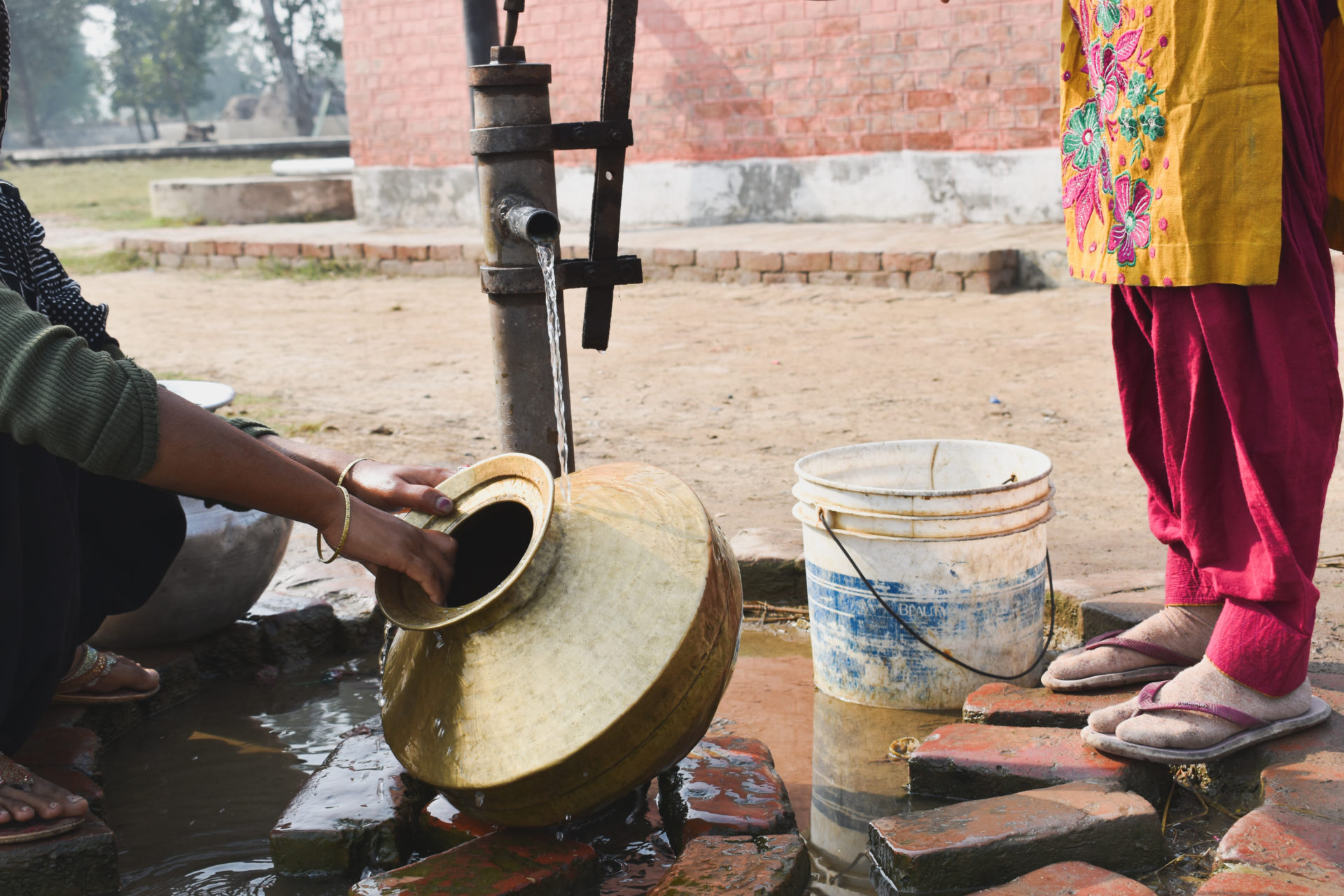
Low Section Of Women Taking Water From Tubewell In Village Area Of Haryana, India

Health benefits

When women and couples have access to the resources necessary to freely and intentionally choose the number, timing, and spacing of their births, a wide variety of health benefits ensue also, including reductions in maternal mortality and morbidity, infant and child mortality, and unintended pregnancies and unsafe abortions.

People walking down main road in Jinka town, Naciones, Ethiopia, Africa

The powerful, neglected solution

Read more about how empowering women and girls to take charge of their bodies and lives is key to achieving the Sustainable Development Goals in this blog post.

This one action could save the world—so why does no one talk about it?

How Your Gift Helps

Your planned gift to Population Connection helps us educate young people and advocate progressive action to stabilize world population at a level that can be sustained by Earth’s resources. Among many things, your support will help us:

 
develop K-12 and secondary education materials for teachers and professors so they can easily incorporate population studies into their classes;
 
 
advocate for reproductive health and lead grassroots outreach efforts to college students to motivate them to take action on behalf of marginalized communities and our beleaguered planet.
 
 
raise awareness of population issues and the need for empowering solutions through our extensive online and offline communications.