 A lifelong commitment to informed action and lasting impact.
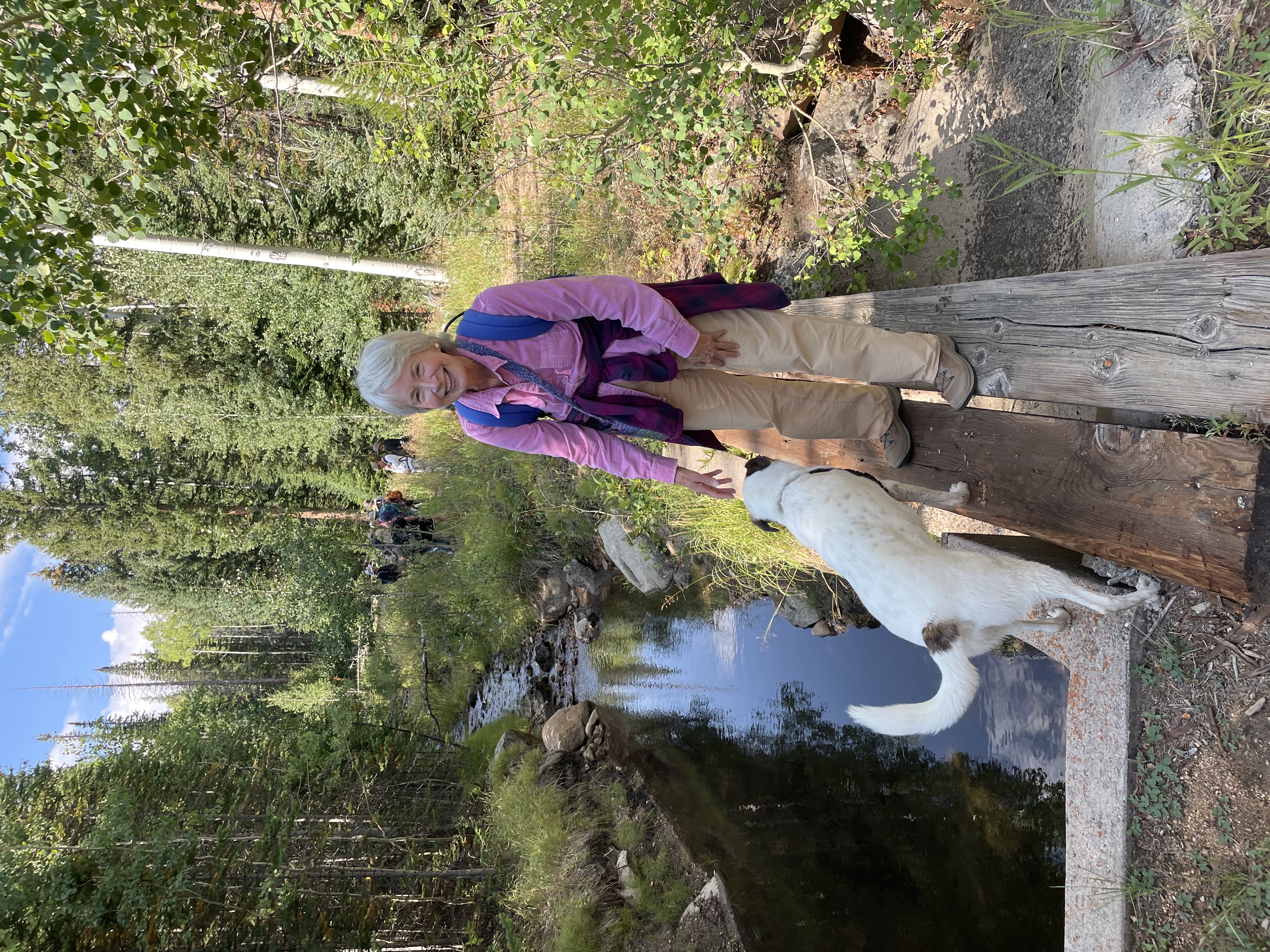
For ZPG Society member Diane Marschke, supporting Population Connection and global population stabilization resulted from a lifetime spent learning, observing, and taking action on behalf of the planet.
“I’ve been an environmental activist since 1970,” she says. “Once you see what’s happening in the world, you can’t unsee it.”
Diane grew up in Indianapolis, Indiana, and completed college at the University of Wisconsin. Her education placed her at the center of a defining moment in history. On April 22, 1970, she attended the very first Earth Day event, founded by Wisconsin Senator Gaylord Nelson to mobilize millions of American to protest for environmental protection—an experience that helped shape Diane’s lifelong commitment to environmental advocacy.
“At the time, people were just starting to talk about ecology,” she recalls. “If those programs had been more popular back then, I would have studied something environmental.”
Instead, Diane earned her degree in English and focused on supporting her growing family. She and her husband Robert raised two children and lived in seven states as he pursued his medical career in oncology. Throughout every move and transition, Diane remained engaged in environmental volunteerism and finding ways to contribute to each new community.
One of Diane’s most powerful experiences as an advocate happened in South Dakota, where she helped lead a grassroots effort to stop the construction of a national nuclear waste dump in the Black Hills—a tense, high-stakes conflict between concerned citizens and the corporate power of Waste Management. After five years of organizing, educating, and mobilizing voters, the effort succeeded. “It helped me understand the power ordinary citizens have,” she says. “People just don’t realize it. But if you’re informed and passionate, you can make a real difference.”
Diane was quick to see the connection between environmental sustainability and population issues. She became involved with Population Connection (then Zero Population Growth or ZPG) as the movement gained traction on college campuses in the 1970s. Even as her life grew busy with moves, family, and volunteer commitments, she never lost sight of the cause and has been a dedicated member of Population Connection since 1997.
A pivotal moment came when she heard actor and activist Peter Fonda answer a question on a late-night talk show: If you could change one thing to improve the planet, what would it be?
His answer—“fewer people”—stayed with her. “That really struck me,” Diane says. “It made sense. Fewer people could help improve everything that’s wrong with this planet.” That insight continues to guide her philanthropy today.
Diane was drawn to Population Connection’s commitment to stabilize population through education and advocacy. Over time, her thinking about where to focus her support became more intentional.
“I used to spread small donations everywhere,” she explains. “There are so many worthwhile environmental causes to choose from. But then I realized that fewer people would benefit all of them. Now I concentrate on the organizations I think are most effective, like Population Connection.”
She also mentions that making a tax-free Qualified Charitable Distribution from her traditional IRA has been a simple and effective way to donate to our work now that she’s over 70 ½: “It’s a win, win!”
Further examining how her support would have the greatest impact, Diane included a gift to Population Connection in her will, acknowledging the need for our mission to continue past her lifetime. Through her steadfast support with a legacy gift, Diane is doing her part to help sustain our programs for years to come and helping Population Connection advance solutions that promote a sustainable future—ensuring that both people and the planet can thrive.
We appreciate Diane’s investment in our work and her long-term commitment to global population stabilization. It is an honor to count Diane as a member of our ZPG Society! If you’re interested in learning how you can include a gift to Population Connection in your will, trust, or other legacy plans, please contact us at legacy@popconnect.org. You may also go online to create your will for free, at www.freewill.com/populationconnection. Have you already included us? Please let us know! We’d love to recognize you!