Endowment Giving

An Enduring Mark

Your legacy can endure at Population Connection with the creation of an endowed fund. Such a fund continues into perpetuity, as annual distributions are made from investment earnings in order to support the activity or program you designate.

In establishing an endowed fund – in your name or in honor or in memory of a loved one – you are providing future generations the opportunity to remember and celebrate your values and generous spirit.

You can create an endowed fund during your lifetime, over a period of years or all at once. Many donors also establish their endowed funds through bequest intentions.

Funding Your Endowment

Endowed funds can be created during your lifetime with a gift of cash, property, or other assets. In addition, there are other ways to fund your endowed fund while incorporating financial and estate planning needs:

Retirement Plans
Naming your endowed fund as a remainder beneficiary of your retirement plan, such as a 401(k), IRA, or pension plan, is an easy way to make a gift. It is also a tax-wise choice because, although your estate would pay income tax on a retirement account left to your heirs, there is no tax if you give it to Population Connection.

Beneficiary Designation
You can name your endowed fund the beneficiary of bank accounts, investment accounts, or life insurance policies. At the end of your lifetime, your endowed fund receives the proceeds directly from your account.

Charitable Bequest
You can make a gift to your endowed fund through your will or trust by including a specific dollar amount or a percentage of your estate, leaving a particular asset — stocks, bonds, mutual funds, real estate, artwork, or other property. Alternatively, you can name your endowed fund as a “residual beneficiary” so that it receives the remainder of your estate after all other bequests have been made.

If you have any questions about endowments or would like more information on planning your contribution, please contact:

Victoria Wright
Director of Planned Giving
202-974-7756
legacy@popconnect.org
Environmental and socioeconomic benefits

Women who have reproductive autonomy generally choose to have smaller families. This slows population growth and creates opportunities for social, economic, and environmental improvements. Slower population growth reduces pressures on natural resources, habitats, and food systems. Within the context of climate change, slowing population growth is key to achieving greenhouse gas emissions targets, and the health, education, and economic benefits afforded through family planning help reduce climate vulnerability and increase resilience for communities around the world.

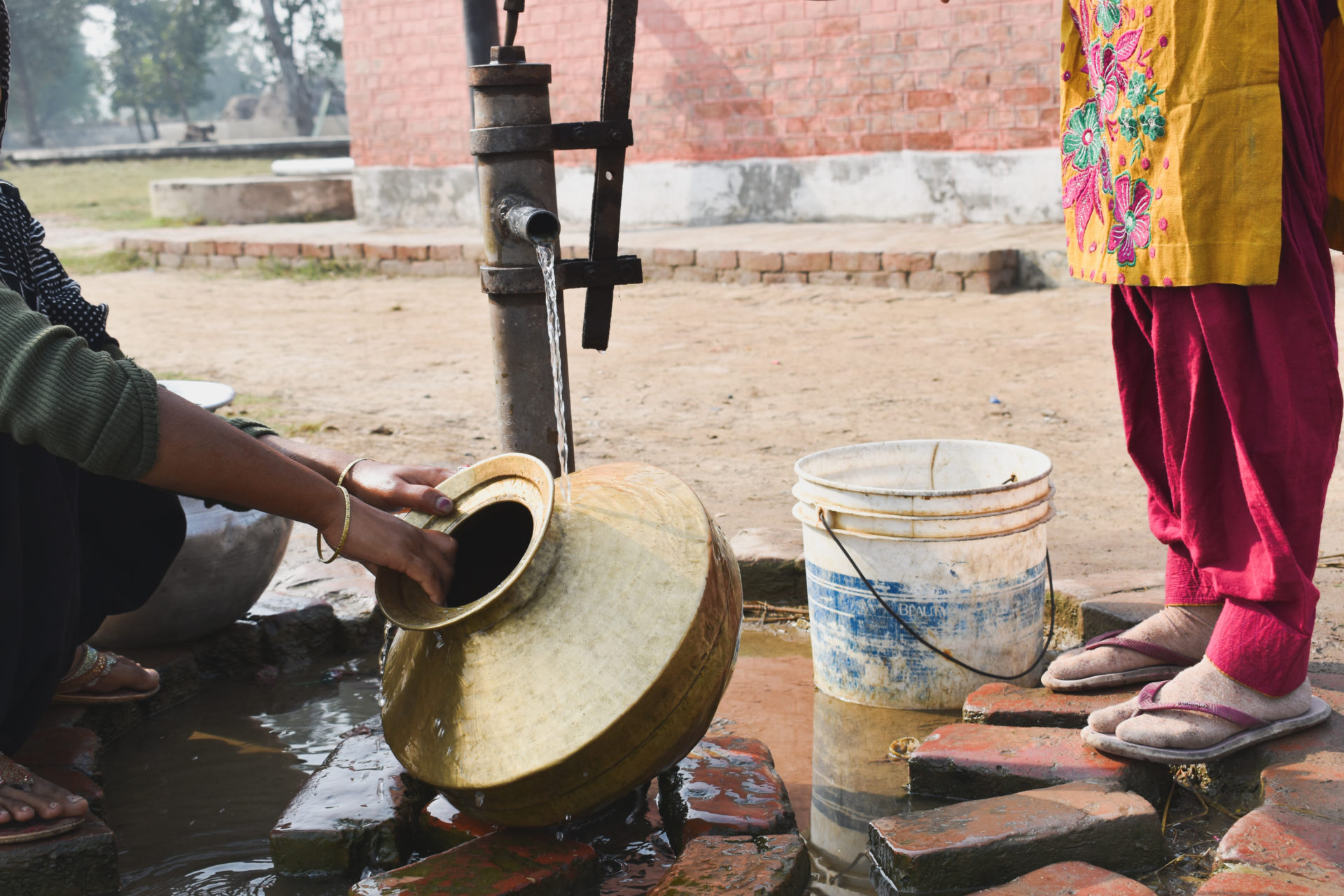
Low Section Of Women Taking Water From Tubewell In Village Area Of Haryana, India

Health benefits

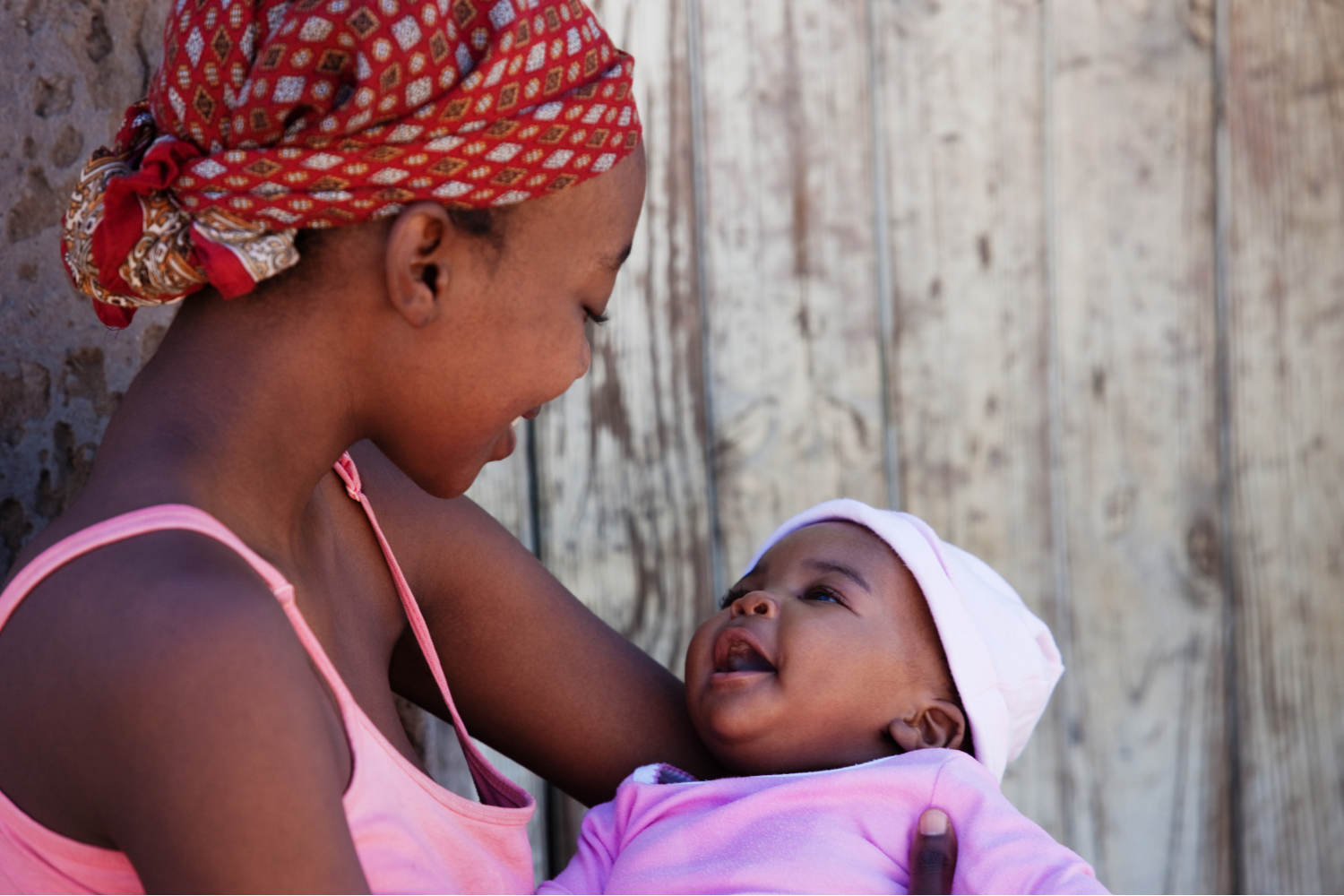
When women and couples have access to the resources necessary to freely and intentionally choose the number, timing, and spacing of their births, a wide variety of health benefits ensue also, including reductions in maternal mortality and morbidity, infant and child mortality, and unintended pregnancies and unsafe abortions.

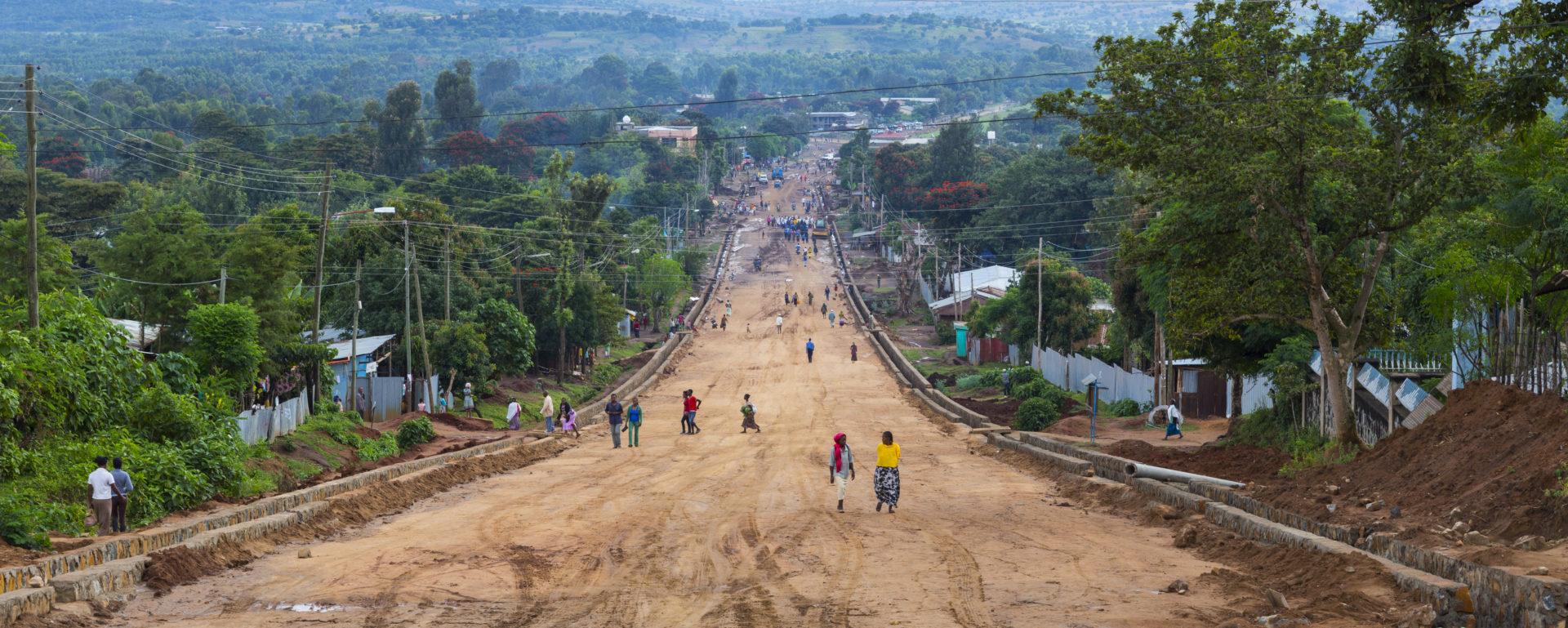
People walking down main road in Jinka town, Naciones, Ethiopia, Africa

The powerful, neglected solution

Read more about how empowering women and girls to take charge of their bodies and lives is key to achieving the Sustainable Development Goals in this blog post.

This one action could save the world—so why does no one talk about it?

How Your Gift Helps

Your planned gift to Population Connection helps us educate young people and advocate progressive action to stabilize world population at a level that can be sustained by Earth’s resources. Among many things, your support will help us:

 
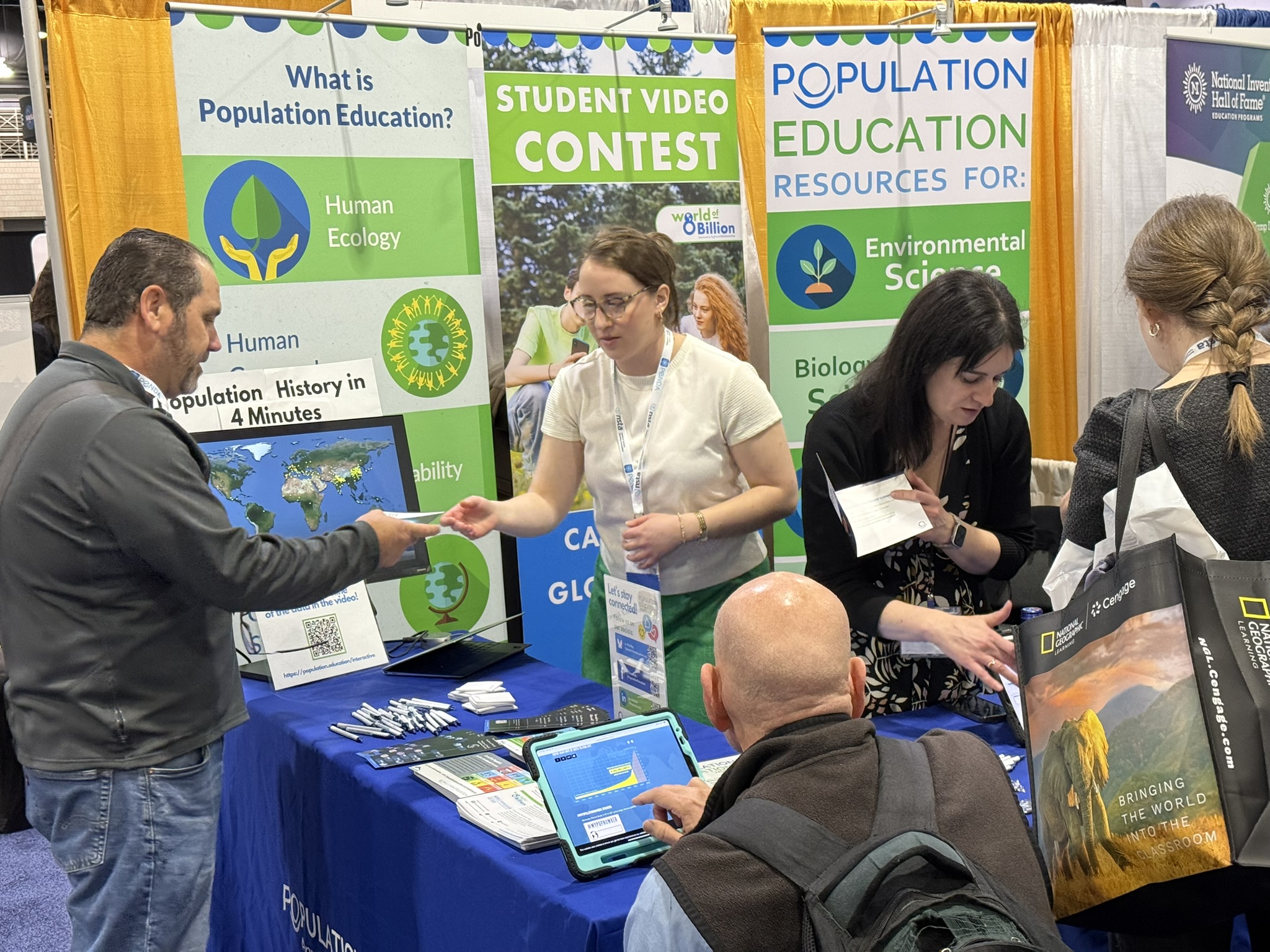
develop K-12 and secondary education materials for teachers and professors so they can easily incorporate population studies into their classes;
 
 
advocate for reproductive health and lead grassroots outreach efforts to college students to motivate them to take action on behalf of marginalized communities and our beleaguered planet.
 
 
raise awareness of population issues and the need for empowering solutions through our extensive online and offline communications.